
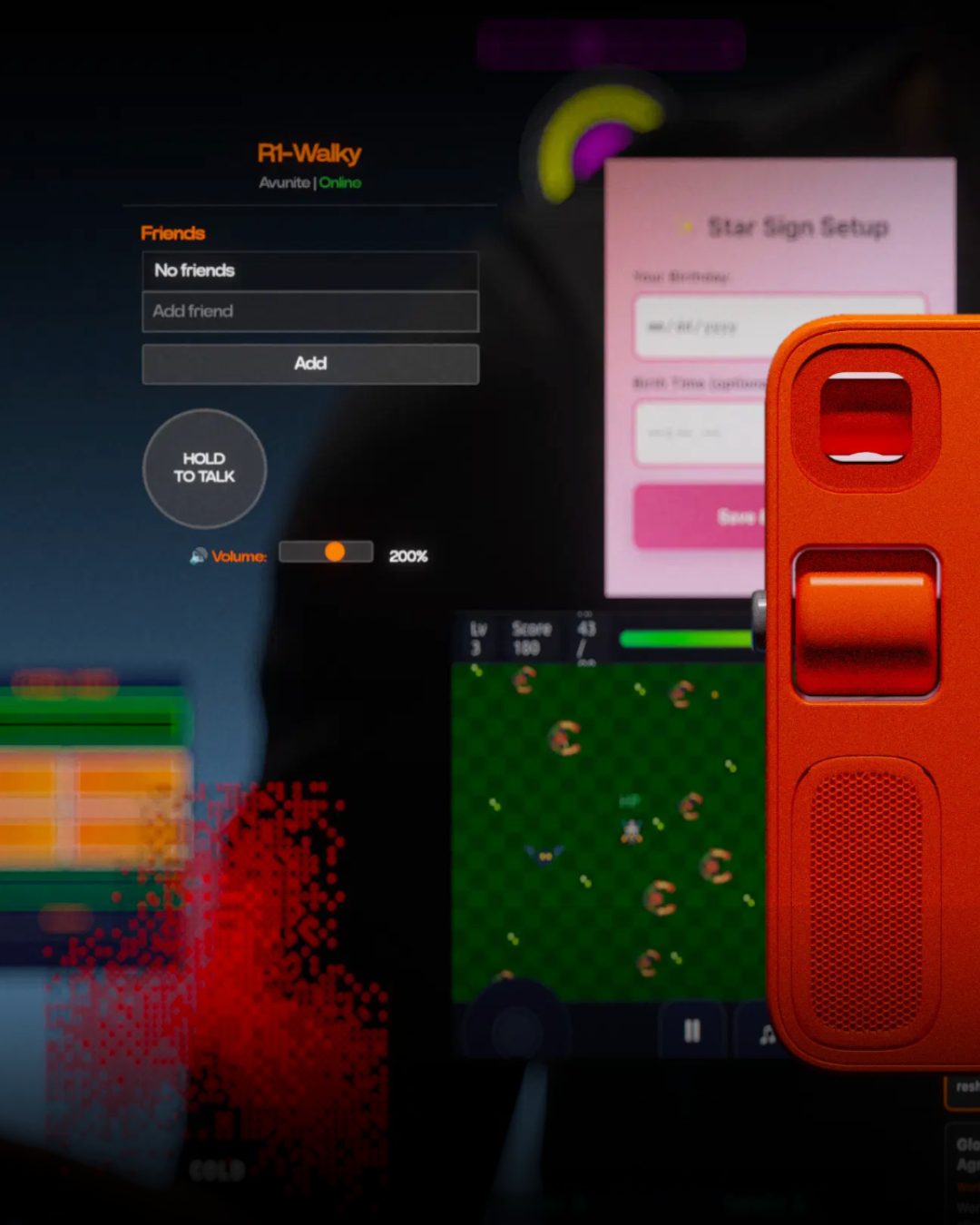
A new category of technology is emerging not just devices, but new ways of interacting with software.
Products like the Rabbit R1 and Apple Vision Pro are early signals of this shift.
Different approaches, same direction:
👉 moving beyond traditional interfaces
👉 reducing reliance on screens and apps
👉 bringing AI closer to how humans naturally think and act
But for engineering teams, the real question is:
Does this change how software is built or is it just another wave of hype?
From interfaces to intent
For decades, software development has followed a consistent model:
- developers write code
- users interact through interfaces
- systems respond to predefined logic
Even with cloud, mobile, and modern frameworks, the foundation stayed the same.
That foundation is now being challenged.
With AI-first interfaces:
- users express intent, not commands
- systems interpret, decide, and execute
- interfaces become secondary or disappear entirely
This is not just a UX shift.
It’s a paradigm shift in how software is created and consumed.
Why Apple Vision Pro and Rabbit R1 matter
These devices are not important because of what they are today, but because of what they represent.
Rabbit R1 explores a model where AI executes tasks across systems, removing the need for multiple apps.
Apple Vision Pro redefines interaction through spatial computing, blending digital workflows into real-world environments.
Different visions same implication:
👉 interaction is becoming more natural
👉 systems are becoming more autonomous
👉 complexity is being abstracted away from the user
The reality check: we’re still early.
Current limitations are real:
- inconsistent performance
- limited depth in complex tasks
- strong dependency on existing systems
- unclear long-term adoption patterns
For now, these technologies are signals, not standards.
The real shift is happening elsewhere
The biggest impact is not in the devices, it’s already happening in development workflows.
AI is changing how engineers work:
- code is generated, not just written
- debugging is assisted, not manual
- systems are composed, not built from scratch
Developers are moving from:
👉 writing logic
to
👉 orchestrating intelligent systems
What this means for engineering teams
This shift is subtle but powerful.
1. Less focus on code, more on outcomes
The value is no longer in writing code but in solving problems efficiently.
2. Speed increases but so does responsibility
AI accelerates delivery, but requires stronger validation and control.
3. New skills become critical
- system thinking
- prompt design
- output validation
- architectural decision-making
4. Complexity doesn’t disappear, it moves
From implementation → to orchestration and integration
The real competitive advantage
The companies that will benefit from this shift are not the ones adopting new devices first.
They are the ones that:
- rethink how their teams build software
- reduce friction in development workflows
- use AI to enhance, not replace human capability
Beyond Delivering Solutions
At Syvantech, we look beyond trends.
Because the real opportunity is not in the technology itself, but in how it transforms the way teams think, build, and scale.
